 Ekleme Ekranı,Dijital Tabela,Yimiyun
 Centralized Content Management Reduces Labor Costs
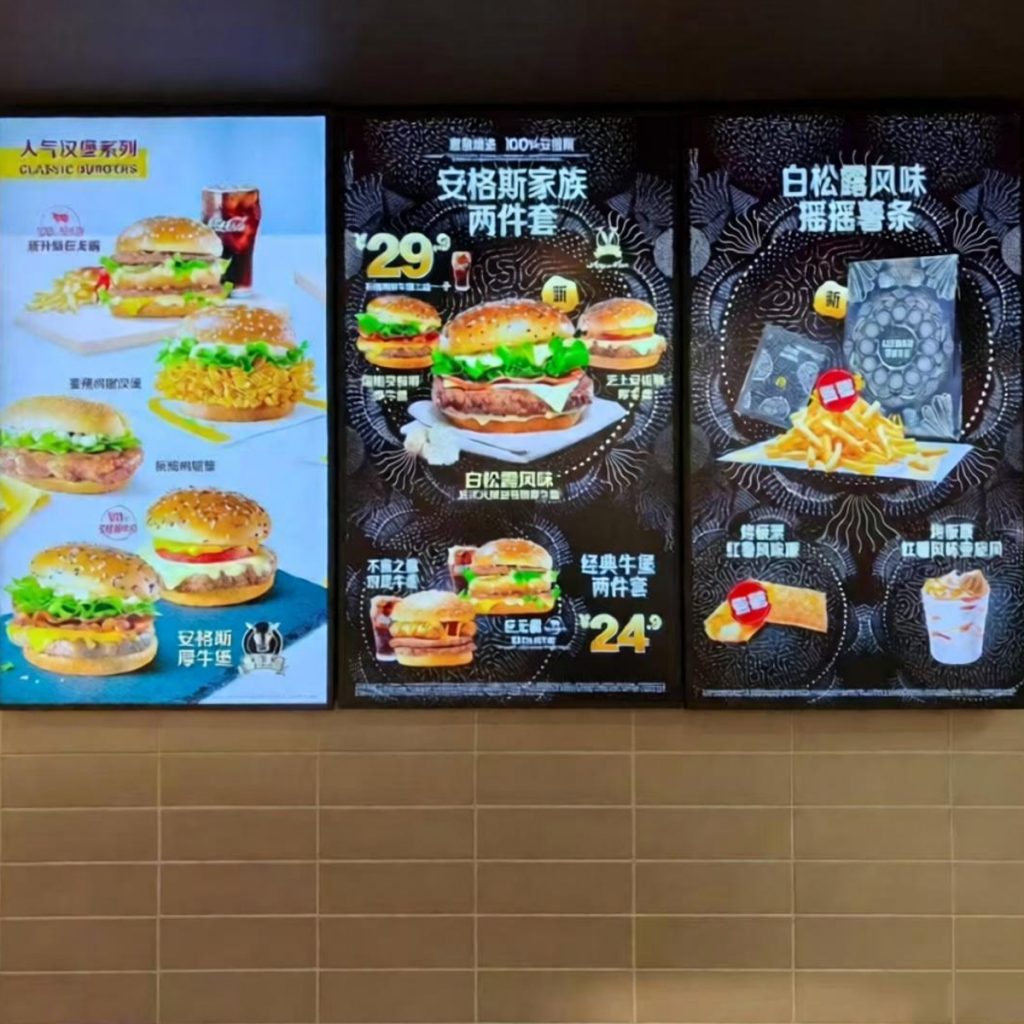
Digital signage cost reduction primary advantage reflects in centralized content management systems。According to Burger King Shanghai Putuo case, 3×55-inch digital signage achieved unified menu updates through intelligent publishing system, saving 90% manual board replacement time。Compared with traditional printed posters, YMY-OD12 advertising machine’s remote content update function eliminates need for specialized personnel maintaining promotional materials。Intelligent Digital Signage Network industry data shows stores adopting centralized management systems average 2 fewer dedicated promotion staff, reducing annual labor costs by approximately ¥150,000。This management model particularly suits fast food, retail and other high-frequency content update industries, truly achieving “one person manages thousand stores” operational efficiency improvement。
Dynamic Promotion Optimization Reduces Material Waste
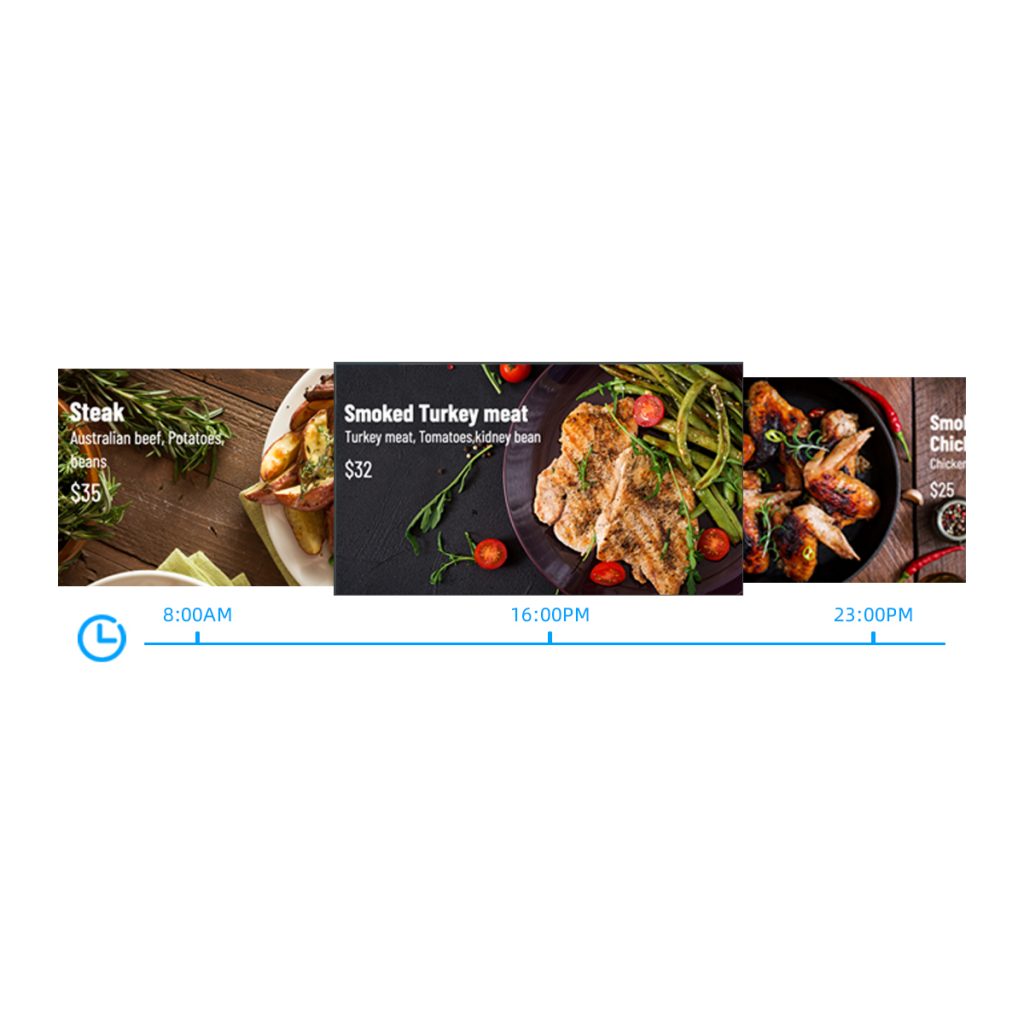
Digital signage cost reduction second dimension reflects in dynamic promotion capabilities。Intelligent digital signage supports automatic time-period content switching, like displaying breakfast combos in morning, pushing new product tasting events at noon。This precision marketing avoids fixed content limitations of traditional printed posters, with YMY advertising machine application data showing dynamic promotions increase store sales by 22%, while traditional printed materials require weekly replacement generating continuous costs。Guangzhou Yimiyun Electronic Technology case study indicates stores adopting digital signage reduce promotional material printing costs by 78%, with promotion cycles upgrading from fixed quarterly activities to real-time market response。This flexibility significantly reduces trial-and-error costs, making marketing budgets generate greater value。
Energy-Saving Technologies Reduce Long-Term Operating Costs
Hardware-level digital signage cost reduction achieves through energy-saving technologies。New-generation digital signage adopts LED backlight with intelligent light sensing adjustment, like OD12 series supporting automatic brightness adjustment based on ambient light, saving over 40% energy compared to traditional displays。Actual operation data shows 55-inch digital signage monthly electricity cost averages only ¥35, while traditional lightbox advertising same size consumes over ¥120 monthly。Intelligent Digital Signage Network industry report indicates stores adopting energy-saving technologies reduce annual electricity expenses by approximately 30%, with equipment lifespan extending beyond 60000 hours。This green technology not only reduces energy waste, but also lowers equipment replacement frequency through long-life design, optimizing total cost of ownership from long-term perspective。
Data-Driven Decisions Optimize Marketing Investment
Intelligent digital signage cost reduction highest level reflects in data application capabilities。Modern digital signage integrates passenger flow statistics with interaction hotspot analysis, helping stores accurately evaluate promotion effects。According to Philips Commercial Display CIIE case, AI-enabled digital signage identifies customer dwell time and interaction rates, shortening marketing adjustment cycles from months to days。This real-time feedback mechanism avoids traditional post-promotion evaluation lag, with TCL commercial display statistics showing data-driven store promotion plans reduce failure rate by 65%, cutting ineffective marketing spending by 40%。Guangzhou Wanda Plaza project post-implementation data indicates display layouts optimized based on digital signage analysis increase sales per square meter by 18%, proving data-driven operations’ direct contribution to cost control。
Low-Maintenance Design Reduces Late-Stage Operational Pressure
Digital signage cost reduction final key point is maintenance convenience design。YMY digital signage adopts modular structure with remote diagnosis technology, supporting online resolution for 90% common faults。Intelligent Digital Signage Network maintenance data shows modular design reduces average repair time from traditional 72 hours to 4 hours, lowering maintenance costs by 60%。Burger King project case indicates digital signage annual maintenance frequency decreases from 12 times to 2 times compared to traditional lightboxes, supporting automatic updates during non-business hours avoiding operational disruption。This low-maintenance characteristic particularly suits chain stores’ large-scale deployment, ensuring controllable operating costs while maintaining brand image consistency, achieving truly sustainable cost optimization。